
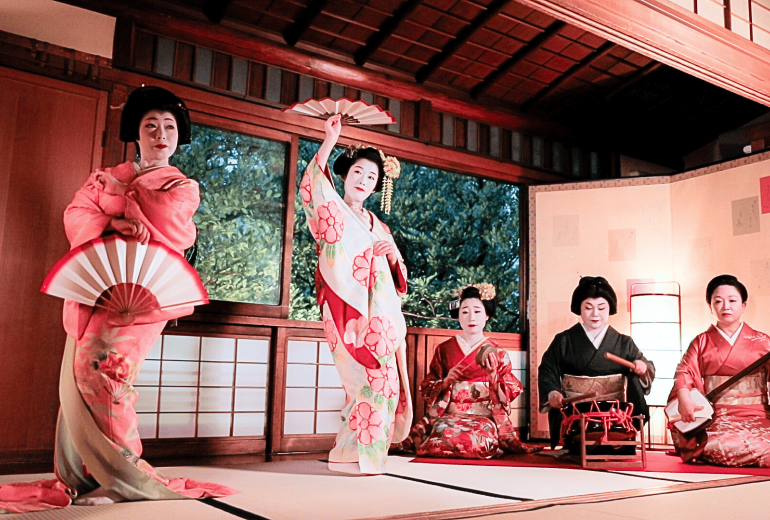
For travelers curious about geisha culture, it can be surprisingly difficult to understand what is truly authentic — and what is designed primarily for tourism. Search results often mix brief performances, group shows, and photo-focused experiences under the same label, making it hard to distinguish genuine cultural experiences from simplified tourist attractions.
This article is written for travelers who value depth over spectacle — those interested in Japanese culture, refined hospitality, and experiences that unfold naturally rather than performed on demand. It explores what a private geisha experience in Japan actually entails: how it differs from public shows, what happens during the evening, where such experiences can be arranged across Japan, and the practical considerations around setting, atmosphere, pricing, and group size.
By the end, you will understand whether a private geisha experience is right for your journey — and, if so, how to approach it with confidence.

For many travelers, the phrase geisha experience suggests a brief performance, a photo opportunity, or a carefully packaged cultural show. A private geisha experience in Japan is something fundamentally different. It is not designed to be watched from a distance, but to be shared — quietly, attentively, and over time.
Rather than offering a condensed display, a private experience invites guests into a space where atmosphere matters as much as action. Conversation, timing, and subtle interaction shape the evening, creating a sense of participation rather than observation. To understand why this feels so distinct, it helps to look first at what “private” truly means.
In a private geisha experience, private is not a marketing term but a structural choice. The evening is arranged as an exclusive gathering for a single group, without other guests present. There is no rotation of audiences and no pressure to perform on a schedule designed for multiple parties.
This does not mean that geisha cannot appear at larger gatherings. In fact, geisha can be invited to banquets of various sizes if the venue allows. What differs is not what is technically possible, but what allows the essence of ozashiki entertainment to be fully felt. Unhurried conversation, shared sake, and subtle exchanges emerge most naturally in smaller groups, where attention can move freely and the atmosphere remains cohesive.
Limits on group size are therefore not strict rules, but thoughtful choices — made to preserve the quality of time spent together. Privacy, in this context, is what allows calm, rhythm, and presence to take root.
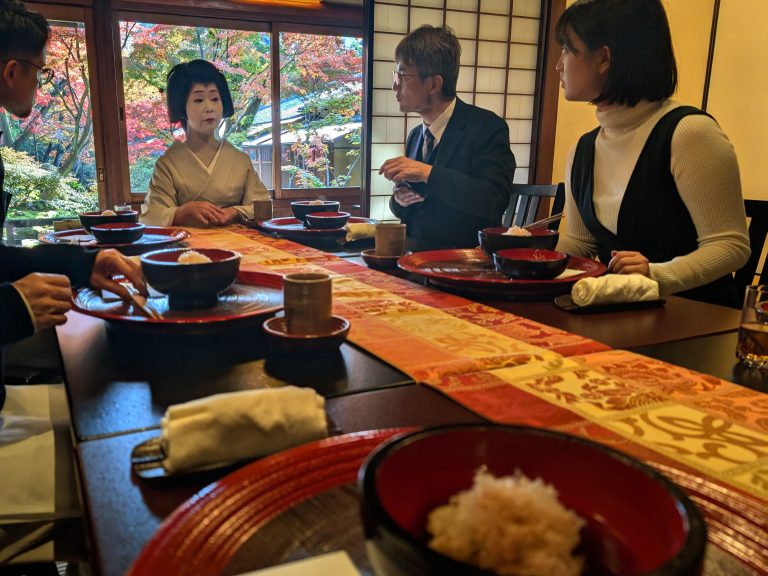
Tourist-oriented geisha shows are typically designed for immediacy. They are short, visually clear, and often centered on photography. Their structure favors efficiency and spectacle, allowing many visitors to experience a brief introduction.
A private geisha dinner follows a different logic. Rather than compressing the experience, the evening unfolds gradually. Performance, play, and conversation are introduced in response to the mood of the group, not according to a fixed script. Guests are not simply watching; they are sharing a moment shaped by mutual attention.
The difference in price reflects this difference in nature. Cost here accounts for time, venue, preparation, and coordination — not to elevate status, but to make space for depth. These are not variations of the same product, but experiences built on entirely different principles.
A private geisha dinner does not begin with performance. It begins with settling into the space — with food, quiet conversation, and time to adjust to the atmosphere. Dance and traditional games are introduced gradually, allowing the evening to develop at a natural pace rather than following a rigid sequence.
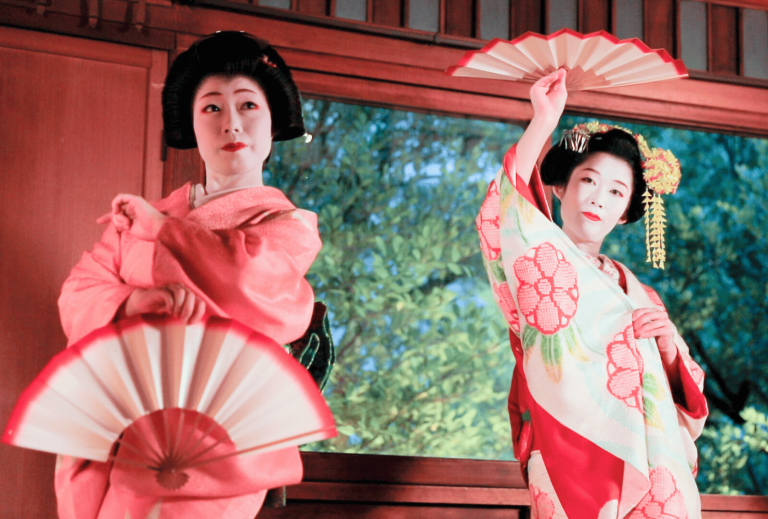
Geisha are often described as the ultimate entertainers of Japan — not because they seek attention, but because they master the art of creating atmosphere. Their role is to read the room, adjust timing, and ensure that every guest feels both comfortable and fully present.
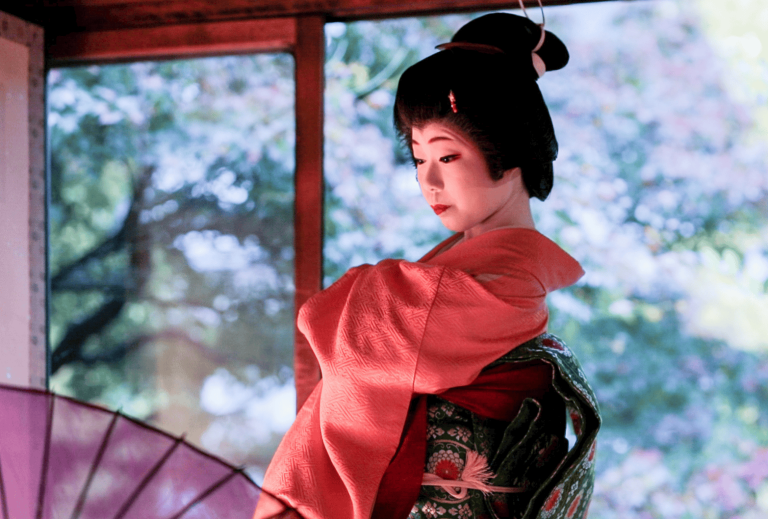
In regions such as Kyoto, fully trained geisha are known as geiko, while maiko are apprentices in the early stages of their careers. Maiko are typically younger and wear more colorful, vibrant kimono and ornate hairstyles. Geisha, by contrast, favor more subdued tones and refined patterns that reflect maturity and restraint.
The progression from maiko to geisha takes several years and involves intensive daily training in dance, music, etiquette, and conversation. Geisha are not cultural icons performing for visitors; they are professionals who have devoted their lives to their craft.
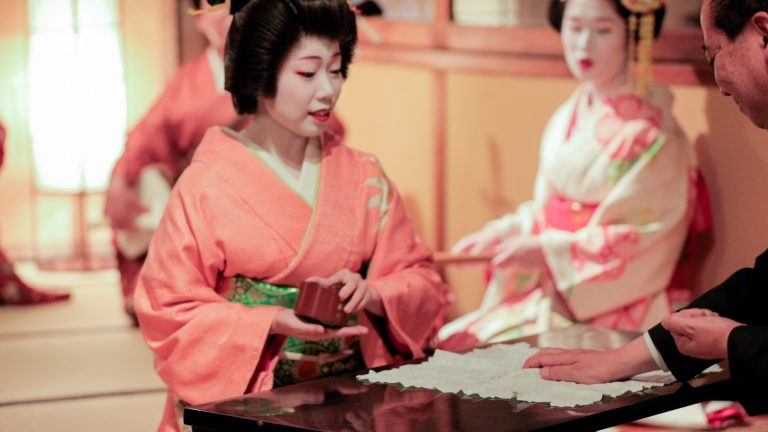
Dance often serves as the first formal element of the evening, not as a spectacle, but as a way of setting tone. It signals a transition from everyday time into something more deliberate and attentive.
Ozashiki games follow, gently easing formality and encouraging interaction. These games are designed not to compete, but to create laughter and shared rhythm, helping guests relax into the space.
Conversation then deepens naturally. Initial quiet is not avoided but respected. Over time, the atmosphere softens, and many guests find that what remains most vivid in memory is not a specific exchange of words, but the feeling of being present in a room that has been carefully held for them.
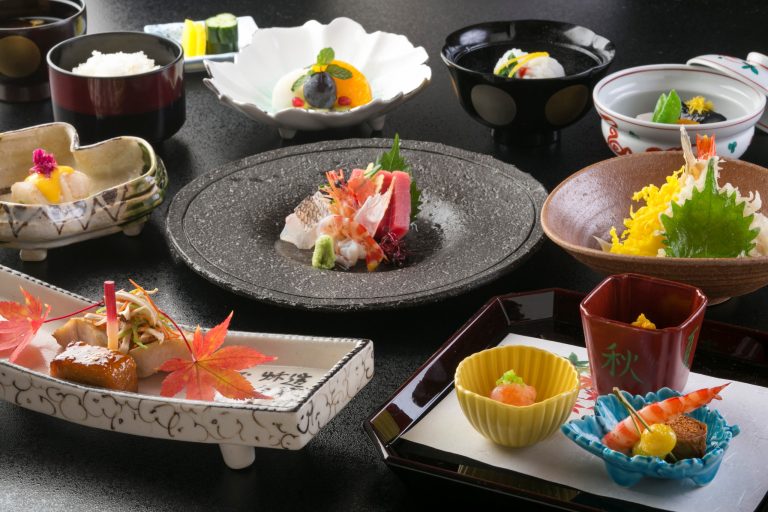
The meal is typically served in the style of kaiseki, a form of seasonal cuisine that emphasizes balance, timing, and regional character. Unlike casual dining, kaiseki is inseparable from context — the season, the setting, and the people sharing the table.
Each dish arrives as part of a larger rhythm, complementing the flow of the evening rather than interrupting it. Food and performance exist side by side, neither dominating the other. It is this harmony that gives the night its sense of completeness.
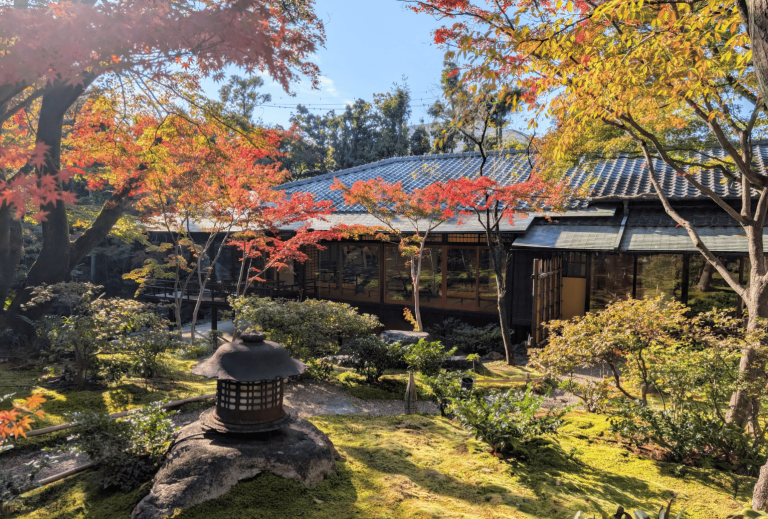
Private geisha dinners take place in ryotei (traditional restaurants) or ochaya (teahouses), spaces that have long functioned as semi-private worlds. Historically, these venues relied on trust and introduction rather than open reservation, which is why they are often perceived as inaccessible.
This custom developed not to exclude outsiders, but to protect atmosphere. Familiarity between host, venue, and performer allowed evenings to unfold without disruption. While modern arrangements are adapted for international guests, this emphasis on continuity remains.
Rather than dramatic lighting, these spaces favor soft, balanced illumination — sometimes traditional, sometimes surprisingly simple — designed to keep attention on people rather than spectacle. Architecture, tatami floors, and carefully proportioned rooms all contribute to a setting where conversation feels natural. Where the evening takes place is not incidental; it shapes how it is remembered.
Experiencing geisha culture does not require restructuring an entire journey. Across Japan, regional geisha traditions continue to exist, each shaped by local history and aesthetics.
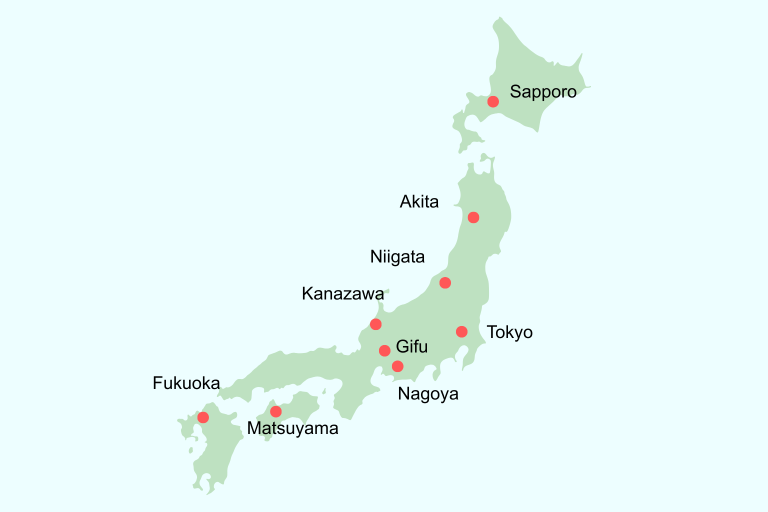
As a practical reference, the cities introduced below reflect locations where we regularly arrange private geisha experiences for international guests — not as fixed packages, but as individually tailored evenings shaped by itinerary, season, and group size. These nine cities illustrate how a private geisha experience can be integrated naturally into a wide range of journeys across Japan.
Nagoya’s geisha tradition is shaped by the city’s samurai heritage, emphasizing refined elegance and composed performances. Local geisha are particularly known for jiuta-mai, classical song-dance accompanied by shamisen, as well as hauta, lighter and more intimate shamisen pieces distinct from the more formal nagauta. The style favors restraint and precision over spectacle, reflecting the cultural values of the region.
Beyond geisha culture, Nagoya is a dynamic regional hub known for its strong artisan traditions, including ceramics and textiles, alongside a long history of craftsmanship and manufacturing. The city also offers a distinctive local cuisine that blends historical influences with modern creativity.
Located in central Japan, Nagoya is easily accessible via Tokaido Shinkansen or air, making it a convenient base between Tokyo and Kyoto or Osaka.
Gifu’s geisha culture is closely tied to the Nagara River and its historic cormorant-fishing traditions. In summer, performances aboard traditional yakatabune boats create a uniquely atmospheric setting that reflects the region’s deep connection to water and seasonality.
The city itself offers a quieter cultural experience, shaped by riverside scenery and strong ties to Japan’s feudal past.
Located just north of Nagoya, Gifu is accessible by local train in under an hour, making it an appealing option for travelers seeking depth without crowds.
Kanazawa is home to the celebrated Kaga geigi, admired for their exceptionally high artistic standards and their association with exquisite Kaga Yuzen silk kimono. The city’s geisha culture is often regarded as one of the most refined outside Kyoto.
Well known for its remarkably preserved Edo-period districts, renowned landscape garden, and traditional arts such as gold-leaf craftsmanship, Kanazawa offers a cohesive cultural environment where past and present feel naturally connected.
Located on the Sea of Japan coast, Kanazawa is accessible via Hokuriku Shinkansen from Tokyo or limited express from Kansai.
In Tokyo, private geisha experiences take place in historic districts such as Shinbashi, where long-established traditions continue within a modern metropolis. Tokyo’s geisha are known for their sophistication and versatility, combining classical foundations with a broad and adaptive repertoire.
The city itself offers an unparalleled range of experiences, from historic temples and refined neighborhoods to world-class museums and contemporary urban culture. Each district carries a distinct character, allowing travelers to shape their stay according to personal interests.
As Japan’s capital, Tokyo is accessible via major international airports and the country’s most extensive rail network.
Once a flourishing port city, Niigata remains one of Japan’s largest geisha communities. Furumachi geigi emphasize not only dance and song, but also refined cultural pursuits such as tea ceremony and calligraphy, reflecting the city’s history as a center of hospitality and trade.
Niigata City is also known for its coastal scenery, high-quality rice, and deep-rooted sake culture, all shaped by water, agriculture, and seasonal rhythms.
Located along the Sea of Japan coast, Niigata is accessible via Joetsu Shinkansen from Tokyo in approximately two hours.
Akita’s geisha traditions reflect northern Japanese aesthetics — graceful, restrained, and deeply seasonal. Performances often incorporate local folk elements such as the Akita Ondo, giving the experience a strong regional character.
Akita City offers insight into the traditions of northern Japan, with seasonal festivals, folk culture, and access to surrounding natural landscapes that shape local life.
Located in northern Tohoku, Akita is accessible via Akita Shinkansen from Tokyo or domestic flights.
Warm and welcoming, Fukuoka’s geisha express the lively spirit of Hakata through performances inspired by local festivals and traditional folk songs. The atmosphere tends to be open and engaging, reflecting the character of the region.
Fukuoka itself is a vibrant gateway to Kyushu, known for its dynamic food scene, urban beaches, and a seamless blend of contemporary life with historical roots.
Located in western Kyushu, Fukuoka is easily accessible via air or Shinkansen through Hakata Station, a major transportation hub.
Sapporo is home to Hokkaido’s only geisha district, preserving traditional entertainment within a distinctly modern city. Performances may combine classical Japanese dance with subtle Western-influenced touches, reflecting the region’s unique cultural history.
The city is known for its spacious layout, seasonal events, and easy access to surrounding nature, offering a distinctive balance of urban life and outdoor experiences.
As Hokkaido’s capital, Sapporo is accessible primarily via domestic flights or rail connections within the island.
Rooted in the history of Dogo Onsen, Matsuyama’s geisha are known for elegant dance and close connections to literary culture, including haiku and calligraphy, giving the experience a reflective and refined tone.
Matsuyama itself is best known for its historic castle, traditional hot springs, and slower-paced regional charm that contrasts with larger cities.
Located on Shikoku Island, Matsuyama is accessible via air, ferry, or rail connections from Honshu.
Ready to reserve your private geisha experience? We arrange individually tailored evenings across all nine cities to fit your itinerary.
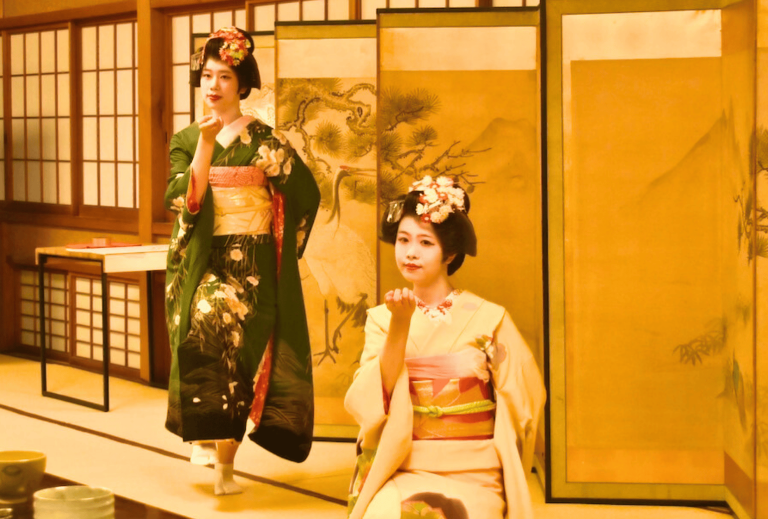
Authenticity here is not a label, but a result of structure. These experiences exist because of long-standing relationships between geisha, venues, and arrangers. They are not standardized products, but evenings shaped individually according to people, place, and moment.
Historically, ozashiki gatherings were used not only for celebrations and milestones, but also for political and business hospitality, seasonal observances, and occasions where refined social interaction was valued. They were never casual entertainment, but carefully prepared spaces where conversation, timing, and atmosphere mattered.
Each experience is arranged one by one. City, season, and group composition all influence what will feel most natural. This is why such evenings cannot be reduced to one-click, fixed-format bookings. What defines authenticity here is not the platform, but the dialogue — the careful exchange that shapes the experience before it ever begins.
Travelers often share similar concerns before their first private geisha dinner. These questions are natural — and easily addressed.
An English-speaking guide or interpreter is often included for international guests. While language support is important, many find that the atmosphere itself communicates more than words.
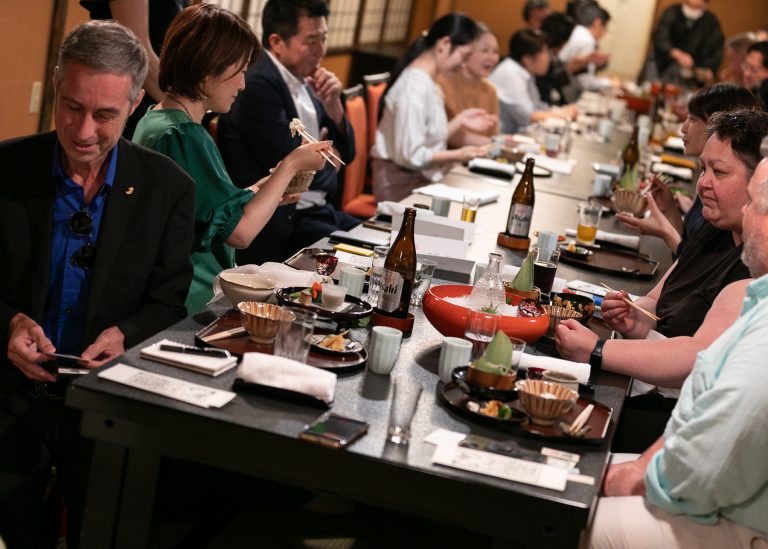
Smart, understated attire is appropriate. Guests are asked not to enter barefoot; socks or stockings are required. Strong perfume should be avoided, out of respect for the delicate aromas of kaiseki cuisine and the incense often used in traditional rooms. Large or sharp accessories are discouraged, as they may damage tatami flooring or lacquered trays.
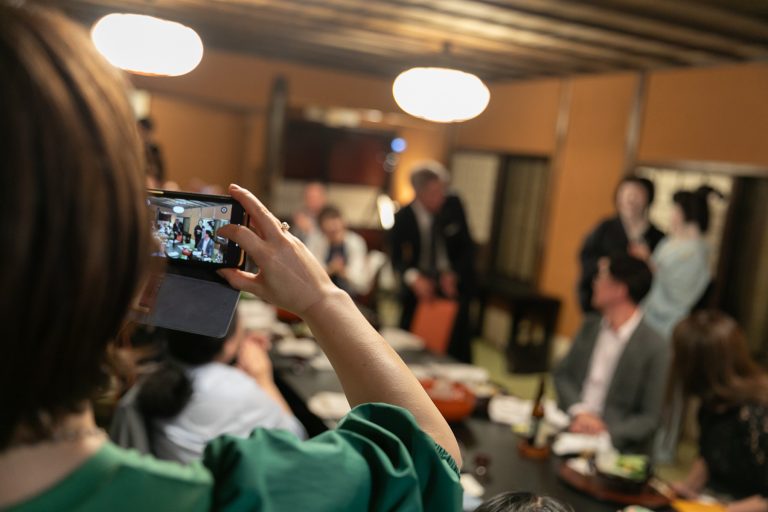
Photography policies vary by venue and occasion, but most experiences allow photos during certain moments—typically after dance performances or at the end of the evening. Your guide will let you know when it’s appropriate. These policies exist not to restrict you, but to preserve the intimate atmosphere that makes the experience so memorable. Many guests find that being fully present creates more lasting memories than any photograph could.
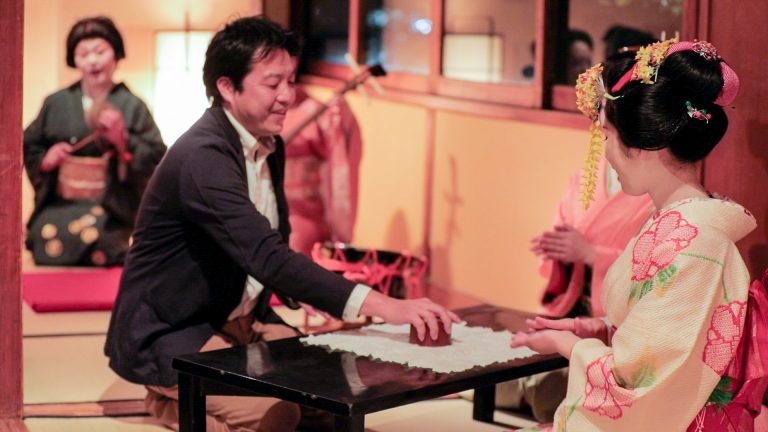
Initial quiet is natural. Geisha are communication professionals, trained to guide conversation, ease tension, and adapt gracefully to the pace and personalities of their guests.
Yes. Prior knowledge is unnecessary. For many, this experience becomes an accessible introduction to deeper aspects of Japanese culture.
The price of a private geisha experience reflects not only the evening itself, but the effort required to make it feel seamless.
Costs vary depending on several factors, including the number of geisha invited, the size of the group, and the level of the kaiseki meal served at the venue.
While dining costs increase with each additional guest, the fee for the geisha is set per performance rather than per person, meaning the overall balance shifts depending on group size.
As a general reference point, for a group of four guests inviting two geisha and dining at a traditional ryotei, the total cost typically falls around 250,000 JPY, though this can vary based on city, ryotei, and specific arrangements.
The evening usually lasts a few hours, allowing it to unfold at a calm, unhurried pace.
There is no absolute limit on group size. Larger gatherings are sometimes arranged when the focus is on dance performances or a lively atmosphere. For guests who wish to converse, share sake, and enjoy the subtle charm of ozashiki culture, smaller groups tend to offer a deeper and more personal experience.
The fee includes professional performers, exclusive venues, seasonal dining, and careful coordination. For international guests, an interpreter or English-speaking guide is often included, ensuring that language does not interrupt the flow of the evening.
A private geisha experience is most meaningful when it complements, rather than dominates, your journey.
Many travelers prefer to avoid scheduling the experience immediately after arrival, when fatigue can dull the senses. Placing it in the middle of the journey often allows it to become a highlight that reshapes how the rest of the trip is perceived. Others reserve it for the final nights, as a quiet climax and lasting memory.
This experience is often chosen to mark anniversaries, honeymoons, and milestones. Its value lies less in photographs than in shared memory.
It is best not to overfill the day leading up to the dinner. Pairing the evening with a tea ceremony, incense appreciation (kōdō), a craft workshop, or a museum visit earlier in the day can create a balanced rhythm — a day immersed in Japanese aesthetics and quiet concentration.
On travel days, some guests prefer to check in, rest, and then proceed calmly to the dinner, allowing the evening to unfold without haste.
Each city offers a distinct atmosphere. Choosing the right one is less about prestige and more about alignment with your journey.
At Discover Nagoya Tours, private geisha experiences can be arranged across nine cities in Japan. If you are unsure which location best suits your itinerary, you are always welcome to reach out for guidance.
A private geisha experience is not something you need to build an entire trip around. Rather, it fits naturally into the flow of a journey — as an evening between sightseeing days, a calm night on a travel day, or a quiet pause amid a fuller itinerary.
What tends to linger most is not a checklist of places visited, but the atmosphere itself — the shared time, subtle exchanges, and the sense of being welcomed into a space that exists outside ordinary travel.
There is no single right way to include a geisha experience in your journey. The most suitable arrangement depends on the city, the number of guests, and the purpose of your journey — whether it is a first visit, a return trip, or a special occasion.
If you find yourself wondering which city feels right, or which evening would be most natural, that uncertainty is entirely normal. In fact, it is precisely why a personal consultation matters.
Even a brief conversation in advance often makes the experience feel far more relaxed and effortless on the night itself. Your itinerary does not need to be finalized to begin that discussion.
If you would like to explore how a private geisha experience could fit into your journey, we invite you to take the next step:
If you have a question about the program, talk with us about private geisha experiences and available options
Not ready to book yet? Follow us on Instagram for travel tips, geisha experience highlights, and Japan itinerary ideas to help you plan your perfect trip.

I’m a nationally licensed English-speaking guide with over 10 years of experience leading tours across Japan. Growing up in Nagoya and having lived abroad, I bring both insider familiarity and an outsider’s curiosity to every trip.
Beyond guiding, I design and plan tours from the ground up — handling everything from itinerary building to logistics and on-the-ground coordination. That dual perspective, from both inside the experience and behind the scenes, shapes how I write about travel in Central Japan.
